The financial landscape in the United Arab Emirates has evolved rapidly over the past decade, attracting investors from across the world who are looking for diverse opportunities beyond traditional stocks and real estate. Among the markets gaining increasing attention is commodities trading, a sector closely tied to global economic activity and regional strengths. From oil and gold to agricultural products and industrial metals, commodities continue to play a significant role in shaping international markets and investor sentiment.
For traders in the Emirates, commodities offer both opportunity and complexity. Price movements can be swift, influenced by geopolitical developments, inflation trends, supply chain disruptions, and shifts in global demand. Understanding how these markets function is essential for anyone seeking to participate responsibly. With improved access to trading platforms and educational resources, more investors in the region are taking the time to learn how commodities fit into a broader financial strategy.
Why Commodities Matter in the UAE Financial Environment
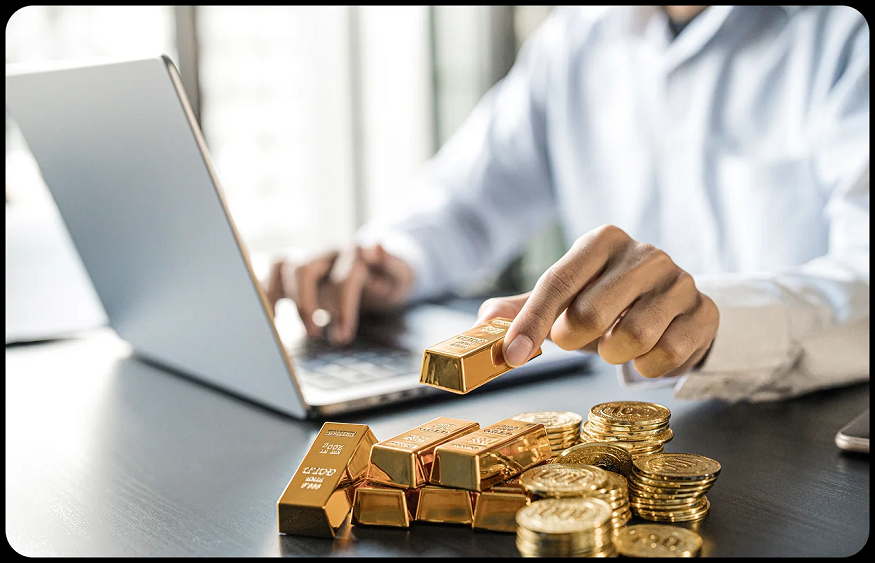
The UAE has long been connected to global commodity markets through its position as an energy producer and international trade hub. Oil remains one of the most influential commodities in the region, affecting government revenues, economic confidence, and investor behaviour. However, the market extends far beyond crude oil. Precious metals such as gold have historically attracted investors seeking stability during uncertain economic periods, while natural gas and industrial metals continue to influence manufacturing and infrastructure sectors worldwide.
Read More : Reflex Equip: Reliable Hand trolleys Sydney for Smarter Material Handling
As financial literacy and investment participation increase across the Emirates, more retail traders are exploring commodity-based instruments through online platforms. Financial institutions, market analysts, and international economic organisations often highlight commodities as an important component of diversified investment strategies. Their appeal comes from their ability to react differently compared to traditional equity markets, especially during periods of inflation or economic instability.
For beginners entering the market, understanding basic concepts is essential before placing trades. Learning topics such as futures contracts, spot prices, leverage, and market drivers helps traders make more informed decisions. Many investors start by researching foundational questions, like what are commodities to build a clearer understanding of how commodity markets operate and why they remain important in modern global finance.
Understanding Volatility in Commodity Markets
Volatility is one of the defining characteristics of commodity trading. Prices can rise or fall sharply due to unexpected global events, weather disruptions, policy changes, or shifts in production levels. In energy markets, geopolitical tensions often trigger rapid movements, while agricultural commodities may react to droughts, floods, or transportation disruptions. This constant movement creates opportunities for traders, but it also introduces considerable risk.
In the Emirates, traders often monitor global economic indicators closely because commodity markets are deeply interconnected with international events. Decisions by major central banks, changes in interest rates, and economic reports from countries such as the United States and China can significantly affect commodity prices. Professional analysts and financial institutions consistently stress the importance of risk management because even experienced traders can face losses during periods of extreme market uncertainty.
Opportunities for Modern Traders in the Emirates
Despite the risks, commodities continue to attract traders because of the wide range of opportunities they present. Some investors use commodities to hedge against inflation, while others focus on short-term price movements driven by market news. Gold, for example, is frequently viewed as a defensive asset during economic uncertainty, whereas oil and industrial metals may benefit from periods of strong global growth and rising industrial demand.
Technology has also transformed how traders in the UAE access commodity markets. Online trading platforms now provide real-time charts, economic calendars, and analytical tools that were once available primarily to institutional investors. This improved accessibility has encouraged younger investors and professionals to explore commodities as part of broader investment portfolios. Regulatory oversight and financial education initiatives in the region continue to emphasise responsible trading practices and investor awareness.
Another major advantage is the diversity within the commodity sector itself. Energy products, precious metals, agricultural goods, and industrial materials each respond to different economic conditions, creating multiple avenues for opportunity. This diversity allows traders to adapt to changing market environments and explore sectors that align with their market outlook, financial goals, and tolerance for risk.
Conclusion
Commodity trading in the UAE reflects the region’s growing role in global finance and international trade. As access to markets continues to expand, more investors are exploring commodities as a way to diversify portfolios and participate in global economic trends. From energy products to precious metals, these markets offer unique opportunities for traders willing to understand their complexities and manage risk responsibly.
Read More : Risk Management Essentials in Commodity Markets
While volatility remains a defining feature of commodities, it is also what creates opportunity. Traders who combine education, strategic thinking, and disciplined risk management are better equipped to navigate changing market conditions with confidence. In an increasingly interconnected financial world, understanding commodity markets can provide valuable insight into both global economics and personal investment growth.